#BoMorzeBistro & Cocktails
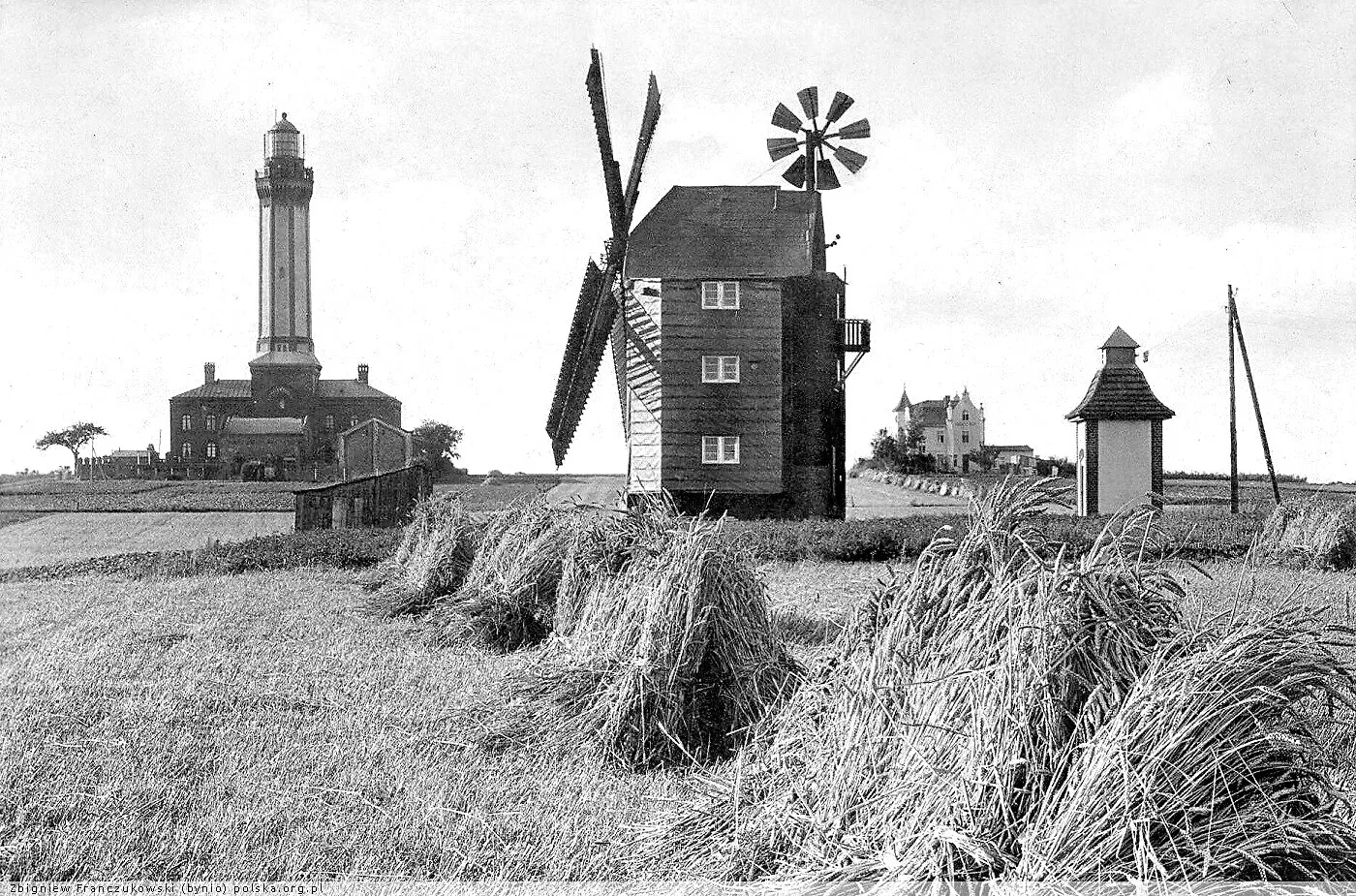
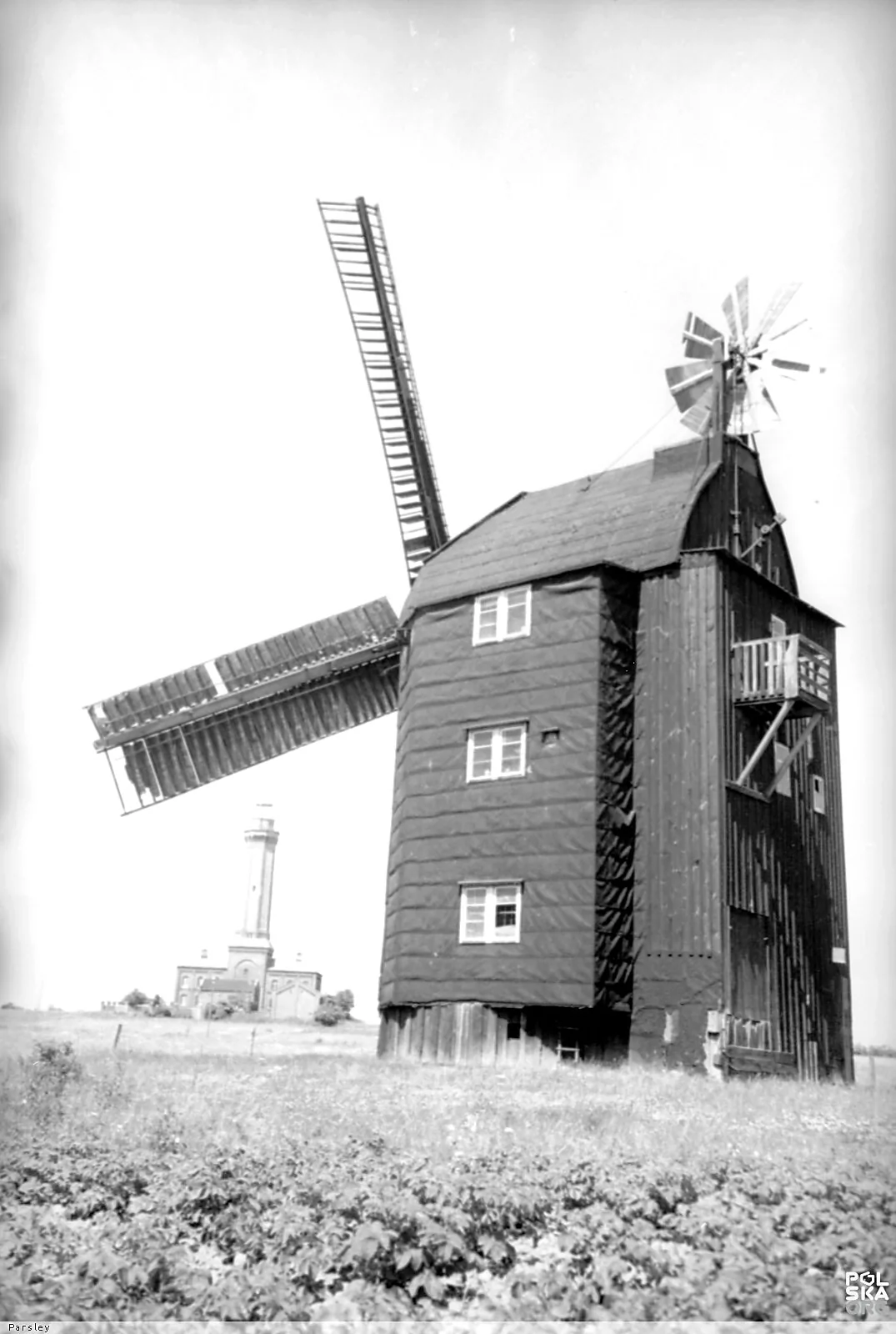
Dutch windmill and lighthouse in Niechorze, 1930s
Niechorze · Baltic · since 1866

Windmill, lighthouse and fields of grain.

This is what this piece of land looked like in the 1930s. The lighthouse has been shining since 1866. Next to it — a Dutch windmill that milled flour. And around it, all the way to the horizon, rolled fields of grain.

Archive

This is what Niechorze looked like.

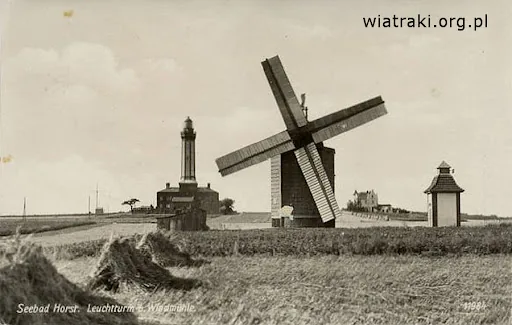
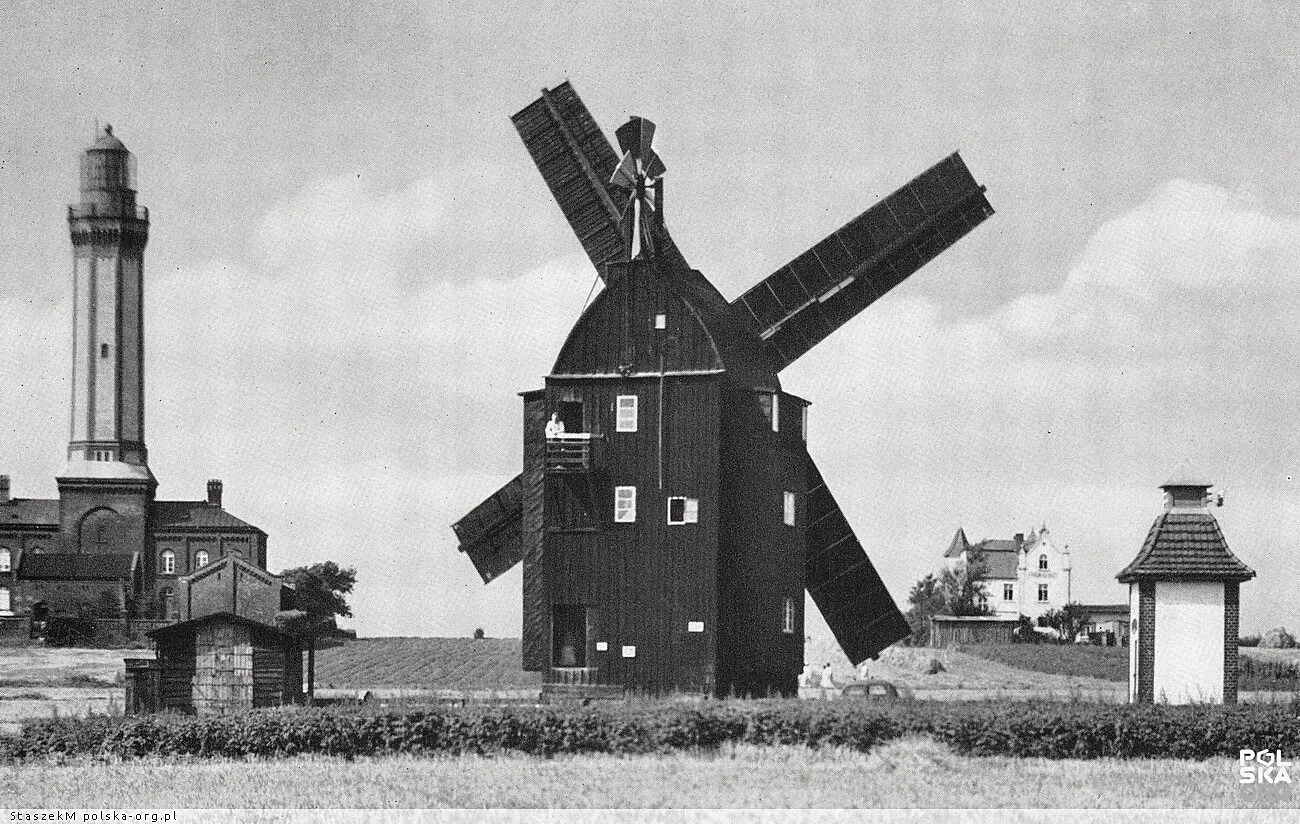
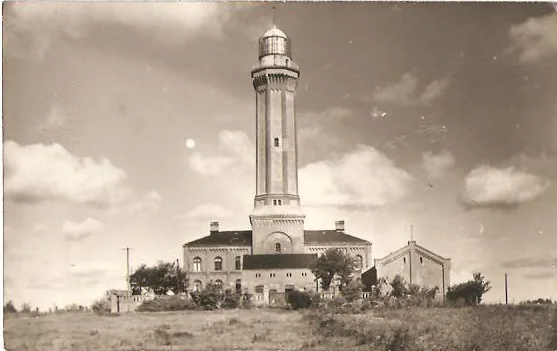
Three photographs from the 1930s — all taken under the lighthouse, about 5–7 minutes' walk from where we work today. Lighthouse, windmill, field of grain. People walked to the mill, sack on their shoulder.

Niechorze Lighthouse — the tower alone, archival photograph
Niechorze · archive Lighthouse · 45 m tower from 1866
Windmill opposite the Niechorze lighthouse — grain field with sheaves, 1930s
1930s Windmill opposite the lighthouse · field of grain with sheaves
Seebad Horst — Leuchtturm und Windmühle, archival postcard before 1945
Postcard · before 1945 Seebad Horst · Leuchtturm und Windmühle
Dutch windmill close-up, with the Niechorze lighthouse in the background — 1930s
Niechorze · 1930s Dutch windmill · field · lighthouse
Dutch windmill and Niechorze lighthouse — Horst-Seebad landscape before the war
Horst-Seebad archive Dutch windmill · landscape · pre-war

Source: polska-org.pl · photos: Zbigniew Franczukowski (bynio), Parsley

It's no coincidence that our pizzeria stands under the lighthouse and not anywhere else. This place has a long agricultural and milling memory, which most tourists don't know about. We decided to bring it back — for those who sit down with us for a pizza.

Because first there was the grain. Then the wind. Then the flour. Only at the very end — bread. And pizza. The same logic we still respect in our kitchen today: you don't go from the dish to the ingredient, you go from the soil to the plate.

Chapter 1

Lighthouse · since 1866

15 May 1863 — the German Ministry of Navigation issues an ordinance for the construction of a lighthouse on the cliff in Horst (today's Niechorze). Three years of construction, cost 56 thousand thalers. 1 December 1866 — first light. It burned at that time with white rapeseed oil, later kerosene — electricity was only connected in 1929.

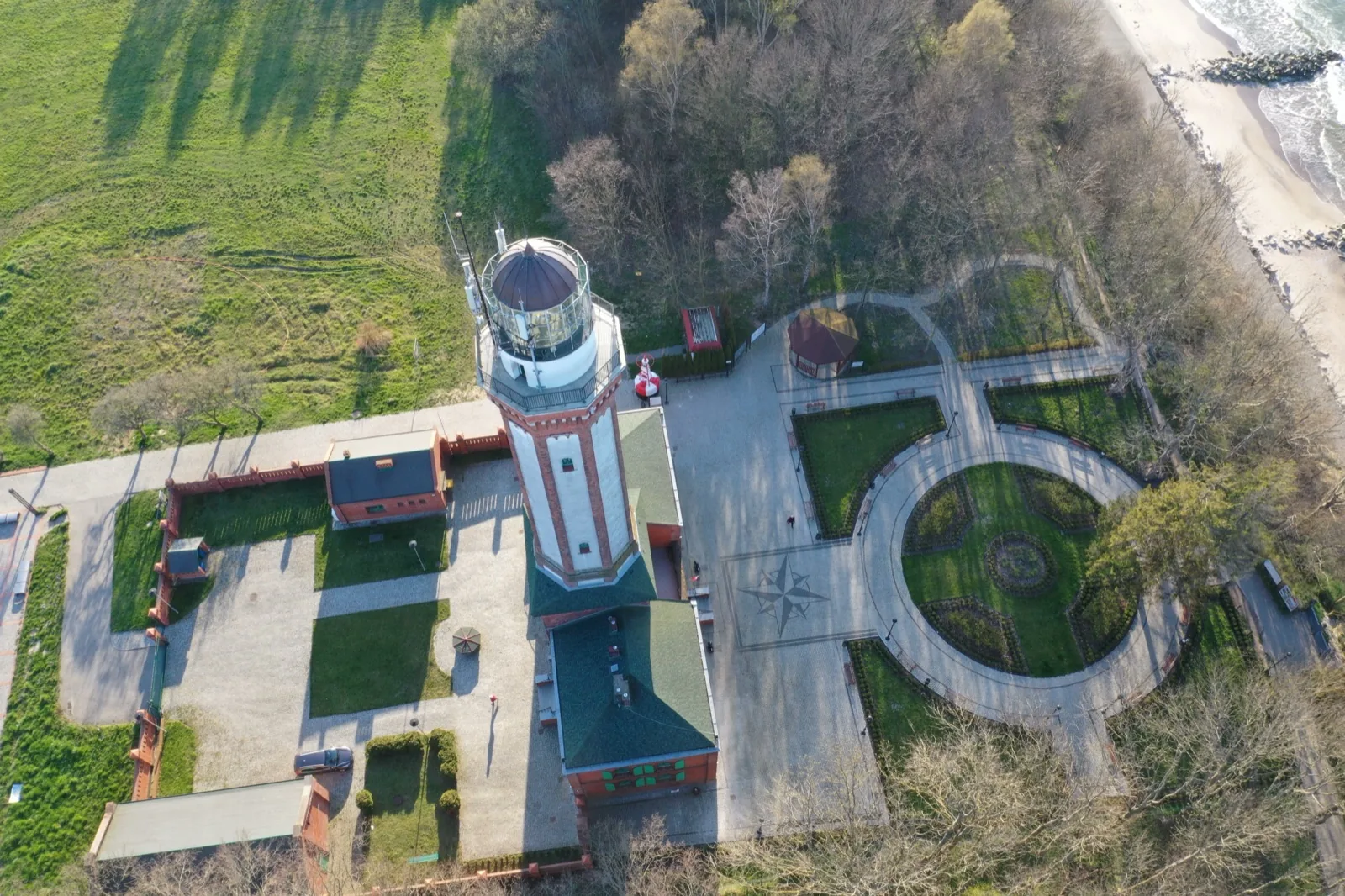
45 metres tall, set on a 22-metre cliff — in total the light reaches over 65 metres above sea level. The beam is visible from 23 nautical miles (about 42 km). A red-clinker brick tower topped with a copper lantern. It's one of the tallest lighthouses on the Polish western coast — and one of the best-preserved 19th-century structures in the region.

For 160 years it has shone without interruption. It survived two wars, border changes, a change in the residents' language. In 1945 the Germans left it intact — today it is a monument of technology, open to visitors, with an observation deck at the very top. The only surviving continuity around here — and that's the line we look at every day from our garden.

Niechorze Lighthouse from the air — 1866 tower in the park, cliff over the Baltic
Niechorze · today Lighthouse from 1866 — aerial view
1866
First light · 1 December
Height45 m
Cliff22 m
Range23 miles
Cost56k thalers
Chapter 2

Windmill · standing again

At the foot of the lighthouse — still before the Second World War — stood a Dutch-style windmill. Wooden, with the characteristic cap that turned to the wind and a fan tail (small auxiliary mill) at the back. It milled grain for the surrounding farms. The three photographs above are proof that on the cliff in Niechorze there really was a field of grain and a real wind-driven mill.

The windmill didn't survive the war. For several decades the plot under the lighthouse stood empty. Only in 2021, as part of the Ethnographic Park (22 Ludna St, at the foot of the lighthouse), the old landscape was reconstructed — this time bringing in a post mill from 1848 from Orkowo in the Śrem district, in Greater Poland. The oldest type of Polish windmill: a rotating wooden structure on a central post.

A different type of construction than the pre-war Dutch mill, but the same living proof: today the sails turn again, grain is ground live for visitors. The sails turn from the Baltic wind — the same wind that flutters our garden parasols.

After the Second World War, around 7,000 post mills remained in Poland. Today — very few. Niechorze has its own. And not a copy — an original. · 24kurier.pl, Ethnographic Park in Niechorze
Pre-war Dutch windmill in Niechorze with the lighthouse in the background
Niechorze · ~1935 Dutch windmill + lighthouse
1848
Post mill · from Orkowo, Greater Poland
Pre-war typeDutch
Today's typepost mill
Returned2021
Ethno Park22 Ludna St
Chapter 3

A field of grain under the lighthouse

Look closely at the middle photograph. In the foreground — sheaves of grain. That's not scenography, not a staged scene. That's a real wheat field at the foot of the lighthouse in the 1930s.

Friedrich Duve — farmer and fisherman — was the owner of the mill in Horst as early as 1856. Niechorze was always a mixed village: fishermen by the sea, farmers further inland. Second half of the 19th century — the farm with the mill belongs to the wealthy peasant family of the Müllers and runs uninterrupted right up to 1945. Their flour is shared by farms from Niechorze, through Pogorzelica, all the way to Pobierowo.

Niechorze was not the only one. The whole Rewal commune had its windmills — in the neighbouring village of Lędzino wind wheels were also turning above fields of wheat and rye. The Baltic coast, the cliff, the wind from the sea — they were the perfect conditions for wind milling. Every village had its patch of field, its windmill, its flour.

After the war everything changed. Borders, residents, ownership, economy. The windmills disappeared. The fields gave way to roads and guesthouses. Niechorze became what it is today — a holiday village. But not so long ago there was flour here. People walked to the mill on foot, with a sack.

Today, when we order flour from Padua for our pizza, we remember that grain once grew in Niechorze too.
This cycle returns, in a slightly different form.

Look at our hashtag # — four leaning lines. They are fields of grain brushed by the wind off the sea. Quietly, in our mark, we bow to this history.
Chapter 4 · the last one

And then us, in 2021.

We opened BoMorze in 2021 — as the sister brand of Kergulena, the fish bar that stands next door and has been running uninterrupted since 1976. Fifty years of the same family in one place.

The idea was simple: seaside gastronomy should also have an Italian voice. Neapolitan pizza, real pasta, a signature cocktail bar. Everything that was missing on the other side of the street.

The windmill returned a year earlier, in 2021 — the one from Orkowo. We didn't want to look at it from the window one day and not understand that we are part of a longer history. Flour from Padua — yes. Tomatoes from Vesuvius — yes. But also grain, milled under the same lighthouse since the 19th century.

#BoMorze

Niechorze · since 2021

Sister brandKergulena
Family traditionsince 1976
AddressMazowiecka 5B
SeasonJune — Sept
Timeline

Niechorze, as we read it

1856

Friedrich Duve, mill in Horst

The earliest mention of milling in Niechorze (then German Horst). A farming and fishing village.

1866

Lighthouse lights up

1 December, the first light shines over the Baltic. 45 m tall, 22 m cliff, cost 56k thalers.

1945up to

Dutch windmill milled grain, all the commune's windmills

A Dutch-style windmill stands under the lighthouse. A field of grain around it. More windmills in Lędzino and neighbouring villages of the Rewal commune.

1976

Kergulena fish bar is born

The Reutt family opens a fish bar on Mazowiecka. 50 years of tradition at the same address ever since.

2021

The windmill returns (1848 post mill) — and BoMorze opens

A different type from the pre-war Dutch mill, but the same wind over Niechorze. Ethnographic Park at 22 Ludna St (under the lighthouse). The same year, BoMorze opens next to Kergulena.

today

The windmill grinds, we bake

From the BoMorze oven to the windmill sails — 5–7 minutes on foot across Niechorze. Grain from Padua, tomato from Vesuvius, lighthouse from 1866. All in one village.

After pizza — a walk to the lighthouse.

5 minutes on foot. Windmill, lighthouse, breakwaters. In the evening the light reaches all the way to us, to the garden.

See the map